Locations:





The short answer from a dietitian
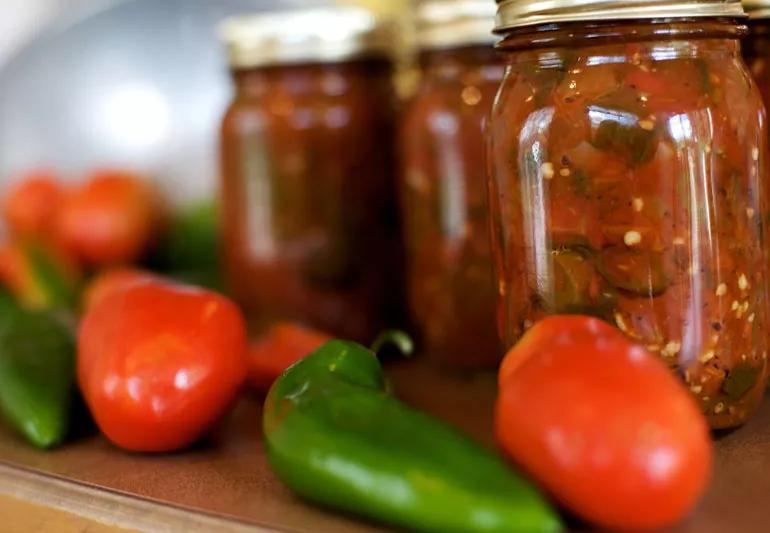
Image content: This image is available to view online.
View image online (https://assets.clevelandclinic.org/transform/1e72f8aa-7f2d-4ff6-b179-6acbe141377f/veggiesFreshCanned-115173228-770x533-1_jpg)
fresh vegetables and canned
A: Fresh isn’t necessarily always best. Sometimes fresh vegetables you buy in the grocery store have traveled from a very long distance. After they get picked and packed and transported over the course of several days, they lose some of their nutrients. So frozen vegetables could actually be a better option. They are picked and frozen within hours of being harvested, so they’re going to retain a lot more of their nutrition that way.
Advertisement
Cleveland Clinic is a non-profit academic medical center. Advertising on our site helps support our mission. We do not endorse non-Cleveland Clinic products or services. Policy
Local produce that is grown close to you is also a great, nutritious and cost-effective option. Something you buy at your local farmers market could have been picked that morning, or the day before, so it’s likely fresher than what you’d buy at the supermarket.
Canned vegetables have a very long shelf life. The downside is they often contain sodium. But, you can choose lower sodium versions or rinse your canned vegetables in a colander under running water to get some of the salt off.
So people don’t necessarily have to shy away from canned vegetables. If that’s what you have, use it up. And actually, when it comes to tomatoes, canned tomatoes are going to be healthier than the raw version. Canned tomatoes have been heated, and that increases the amount of lycopene in them that the body can absorb, which is good for eye health.
— Beth Czerwony, RD
Advertisement

Sign up for our Health Essentials emails for expert guidance on nutrition, fitness, sleep, skin care and more.
Learn more about our editorial process.
Advertisement

This caffeinated South American tea contains antioxidants and other nutrients that may offer some health benefits
Lean meats, fish, dairy and plant proteins can help you meet your protein needs without piling on saturated fat and sugar
Protein is essential in your diet, but piling more onto your plate isn’t always better
Choosing snacks with protein can help curb hunger, support muscle health and keep your energy steady between meals
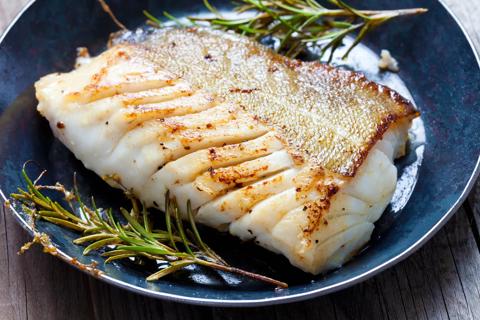
Fish packs plenty of protein, heart-healthy fats and other body-boosting nutrients into every bite
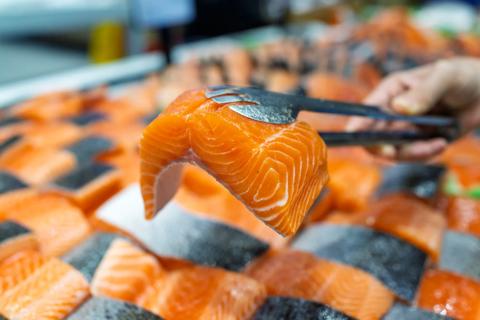
Both are healthy choices, but wild-caught salmon offers a few more benefits
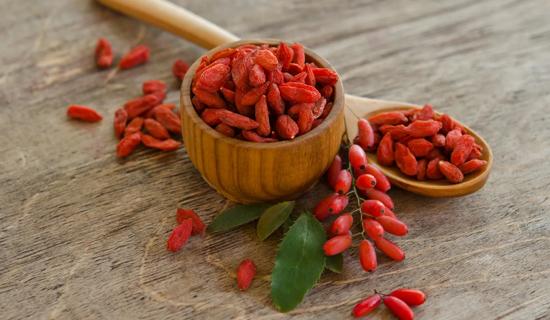
These bright berries are packed with nutrients and antioxidants that may support your eyes, immune system and overall well-being
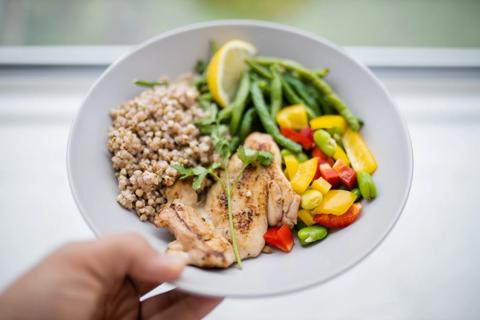
Prepping ingredients ahead of time, rethinking your snacks and making smart protein swaps can up your daily intake

Rapid weight loss can cause loose skin, facial volume loss and body contour changes

Swallowing too much air, certain foods and drinks, and digestive conditions can all make you belch more

From poor hand hygiene and ventilation issues to contaminated food, many factors can make infectious diseases spread quickly
 Search










